



Chưa phân loại
Unlocking Budget-Friendly Connectivity: Navigating Low-Cost eSIM Deals
Top Affordable eSIM Plans for Budget Travelers in 2025
Why pay sky-high roaming fees when you can get a cheap eSIM plan that works instantly? A cheap eSIM plan is a digital SIM card you download right to your phone, letting you connect to local networks without swapping physical cards. You simply activate it in minutes for drastic savings on global data, then use your phone normally wherever you travel. It’s a straightforward way to cut your connectivity costs without any hassle.
Unlocking Budget-Friendly Connectivity: Navigating Low-Cost eSIM Deals
Unlocking budget-friendly connectivity through cheap eSIM plans means bypassing physical SIM shipping fees and retail markups entirely, which often slashes initial costs by 30-50%. Focus on data-only regional packs over global ones to avoid paying for unused countries.
Always verify the plan uses a local network direct peering rather than a roaming aggregator to avoid throttled speeds on a “cheap” deal.
For short trips, a 7-day plan from a discount aggregator like Airalo or Ubigi gives you the lowest per-gigabyte rate without contract locks. Compare the money-back window for incomplete activations—some budget providers offer none. Your actual unlock happens when you combine a small baseline plan with a zero-cost eSIM from a travel rewards app for emergency backup.
Why Digital SIMs Slash Your Roaming Bills
Digital SIMs slash your roaming bills by bypassing traditional carrier roaming agreements. Instead of paying your home network’s inflated daily pass, you purchase a local or regional eSIM data package directly from a host provider in your destination. This eliminates the multi-carrier markup applied to standard roaming. For example, a 1GB regional eSIM for Europe costs a few dollars, while a single day of carrier roaming can cost $10–$15. Direct local access to destination networks is the core mechanic driving savings.
Why do digital SIMs slash your roaming bills? Because they replace per-MB wholesale charges with flat-rate, competition-priced data from the local market.
Key Differences Between Prepaid eSIMs and Traditional Plastic Cards
The key practical difference between prepaid eSIMs and traditional plastic cards for cheap plans is delivery speed versus physical logistics. A prepaid eSIM is downloaded instantly via a QR code or app, eliminating shipping time and the need to carry a fragile SIM tray. Plastic cards offer physical redundancy—you can swap them between devices—but require waiting for mail or store pickup. Prepaid eSIMs enable on-the-go plan activation without a physical purchase, while plastic cards often provide cheaper per-day rates due to lower overhead. The trade-off is that a lost phone with an eSIM cannot be transferred by simply inserting a card. Q: Can a prepaid eSIM be removed and reused like a plastic card? A: No, eSIMs are tied to one device profile; plastic cards are physically removable and swappable between unlocked phones, a nuance critical for travelers sharing a plan.
Top Providers Offering Affordable Global eSIM Packages
When you need a cheap data fix for a layover in Bangkok, top providers offering affordable global eSIM packages are your real lifeline. I remember landing at Suvarnabhumi with no local SIM, just a tired phone and a tight budget. Airalo had me covered for under $5 for a week’s worth of basic browsing, no fussing with physical cards. Holafly came through when I needed unlimited scrolling in Europe for a daily rate that felt like pocket change. For ultra-budget trips across Southeast Asia, Nomad often beats the local kiosks on price. These cheap eSIM plans let me jump from a hostel in Chiang Mai to a café in Tokyo without hunting for a new provider each time—just scan, connect, and go.
Airalo: Regional Data Bundles That Won’t Break the Bank
Airalo’s regional data bundles deliver exceptional value by covering multiple countries at a flat, low rate—making them a top choice for travelers crossing borders on a budget. Instead of buying separate plans for each destination, you can activate a single eSIM for regions like Europe, Asia, or the Americas. This approach drastically cuts costs while keeping you connected with reliable 4G/5G service. For cheap eSIM plans, these bundles are a standout, offering generous data allowances for a fraction of typical roaming fees. Affordable regional eSIMs like Airalo’s let you explore freely without worrying about massive bills.
Airalo’s regional data bundles provide budget-friendly connectivity across multiple countries with a single eSIM, slashing costs for travelers.
Holafly: Unlimited Local Data for Short Trips
For travelers prioritizing simplicity on brief getaways, Holafly delivers a standout option with its unlimited local data packages tailored specifically for short trips. Unlike metered plans that force constant monitoring, Holafly removes usage anxiety entirely, ensuring constant connectivity for maps, messaging, and social sharing. This provider excels by offering true unlimited high-speed data rather than throttled caps, making it a pragmatic choice for heavy users avoiding surprise fees. Activation is purely digital via eSIM, requiring no physical SIM swap, and coverage spans over 160 destinations. For a seamless, worry-free experience on quick vacations or business blitzes, Holafly’s unlimited model presents compelling value within the cheap eSIM landscape.
Holafly provides unlimited local data for short trips, eliminating data caps and physical SIMs for straightforward, high-speed connectivity.
Nomad: Pay-As-You-Go Rates for Frequent Travelers
For frequent travelers seeking flexibility, Nomad’s pay-as-you-go rates offer a practical path to cheap eSIM plans without committing to a fixed monthly bundle. You purchase data in small increments, such as 1GB or 3GB, which remain valid for a set period—often 7, 15, or 30 days—making it ideal for short, unpredictable trips. This structure allows you to top up only when needed, avoiding waste. Nomad’s pay-as-you-go global eSIM pricing is particularly cost-effective for low-data users who hop between countries, as the same credit can often be used across multiple supported destinations with a single eSIM profile.
Nomad’s pay-as-you-go model lets frequent travelers buy small, country-flexible data packs on demand, ensuring they never pay for unused high-volume plans.
Ubigi: Competitive Per-Gigabyte Pricing for Europe and Asia
Ubigi offers strong value for budget-conscious travelers through its competitive per-gigabyte pricing specifically tailored for Europe and Asia. Instead of flat-rate regional passes, users pay only for the data they consume, often at rates below $2 per GB for larger bundles. Plans can be activated instantly on compatible devices without physical SIMs. Per-gigabyte pricing allows precise cost control, making it ideal for both light users and those needing substantial data across multiple Asian and European destinations.
- Prices start as low as $0.89 per GB for 10GB+ Europe plans
- Asia-focused bundles offer rates under $1.50 per GB for multi-country coverage
- Top-ups at the same per-GB rate are available without changing plans
- Data rolls are valid for 30 days from first activation

Finding the Best Value: What to Look For in a Budget eSIM

The real trick with cheap eSIM plans isn’t just the lowest price—it’s matching the data allowance to your actual usage. I once grabbed a 1GB global plan for $3, thinking it was a steal, only to burn through it on map navigation in two days. To find true value, prioritize plans that let you top up locally without buying a whole new eSIM. You want a provider that offers reliable partner networks in your destination, not just coverage promises. Also, check if the plan includes a local phone number or is data-only—that can save you headaches with two-factor authentication. The sweet spot is a plan that costs under $10 for a week and lets you add gigs at a similar per-GB rate.
“Q: What’s the most overlooked feature in a budget eSIM? A: The validity period—a 30-day plan for $8 might be better than a 7-day plan for $4 if you’re slow with data.”
Comparing Cost Per Gigabyte Across Regions
When evaluating cheap eSIM plans, comparing cost per gigabyte across regions is critical because pricing varies dramatically by destination. For example, a 10GB global plan might cost $3 per GB in Europe, yet the same data in Southeast Asia could drop to $0.80 per GB. To find the best value, follow this sequence: first, identify how much data you actually need for your trip. Second, compare per-GB rates for each region you plan to visit using plan breakdowns. Third, check if regional packs offer lower per-GB costs than a single global plan. A plan with a low flat fee but high per-GB rate is often worse than a slightly pricier pack with cheaper incremental data.
- List the specific countries or regions in your itinerary.
- Search for eSIM providers offering dedicated regional or country packs.
- Calculate the cost per GB for each relevant pack separately.

Hidden Fees and Activation Charges to Avoid
When hunting cheap eSIM plans, scrutinize the fine print for hidden activation charges that inflate the advertised cost. Avoid providers adding “service fees” or “connection fees” at checkout; these can double your first-month bill. Also watch for automatic top-up fees or monthly surcharges for basic customer support. Always confirm the total price—including any upfront activation cost—before purchasing. Many budget plans bury these fees, turning a $5 plan into $10.
Q: How can I spot hidden activation charges before buying a cheap eSIM?
A: Read the “Terms & Pricing” page, not just the front offer. If a provider lists a “setup fee” or “required first recharge,” consider it a red flag—opt for a plan with zero upfront costs.
Speed Throttling vs. True Unlimited Data Plans
When evaluating cheap eSIM plans, the crucial distinction lies between speed throttling and true unlimited data. A plan marketed as “unlimited” often applies a fair usage policy that throttles your connection speed after a specific data threshold, rendering high-bandwidth activities like video streaming impractical. True unlimited plans, while rarer at budget prices, maintain consistent speeds regardless of usage. For practical value, always check the fine print for the exact throttle limit; a 5GB soft cap with sub-1Mbps throttling provides less real-world utility than a modest but genuine high-speed data allowance.
Speed throttling caps your performance after a hidden limit, while true unlimited data delivers consistent speeds—making a fixed high-speed data allowance often more valuable than a throttled “unlimited” plan.
How to Activate a Low-Cost eSIM Without Hassle
To activate a low-cost eSIM without hassle, first confirm your device is unlocked and eSIM-compatible. Purchase a cheap eSIM plan from a reputable provider, ensuring it covers your destination and data needs. Avoid manual entry by scanning the QR code sent via email immediately after purchase; this auto-configures your settings. Install the eSIM profile by following on-screen prompts, then assign it as your cellular data line. Q: What if the QR code fails? A: Contact the provider’s support for a manual activation code or re-send the QR link to avoid delays. Test connectivity by toggling airplane mode, ensuring the cheap eSIM plan activates without roaming fees or hidden steps.
Step-by-Step Setup via QR Code on iOS and Android
Activating a cheap eSIM plan is often just a QR code scan away. On iOS, grab your purchased plan’s QR from your email, then go to Settings > Cellular > Add eSIM and scan it. You’ll tap “Continue” and label the line as primary or secondary. For Android, open Settings > Network & Internet > SIMs > “Add Carrier.” Scan the same QR code, and the phone will walk you through downloading the profile. Both systems confirm activation in under a minute. A quick double-check in your cellular settings ensures the discount plan is live and ready for use.
Dual SIM Strategies: Using Your Physical Card for Calls While Roaming
When roaming, activate your cheap eSIM for data only, while keeping your physical SIM exclusively for calls. This Dual SIM call routing strategy prevents any data charges from hitting your pricier home carrier. In your phone settings, designate the eSIM for mobile data. Then, for voice, set your physical SIM as the preferred line. This separation ensures you never pay roaming data rates, while still receiving calls on your usual number. If you make outbound calls, they bill against your physical SIM’s standard rates, not the eSIM’s data.
| SIM | Role While Roaming |
|---|---|
| Physical SIM | Voice calls only (your existing number) |
| Cheap eSIM | Data only (no call capability) |
Regional Price Wars: Where Your Money Goes Furthest
Regional price wars directly benefit users of cheap eSIM plans by driving down costs in competitive areas. For example, in Southeast Asia and Eastern Europe, multiple local providers aggressively undercut each other, offering budget data-only packages that stretch your money furthest. A 15GB plan in Thailand or Poland might cost the same as 3GB in less competitive regions. How can you spot the best regional deals quickly? Compare live eSIM marketplace prices for your specific destination; a plan for one country in a price-war zone often beats a broader regional plan in cost-per-gigabyte. By selecting a cheap eSIM rooted in a local price-war market, you maximize value without sacrificing connectivity.
Asian Markets: Ultra-Cheap Data in Thailand, Japan, and South Korea
For travelers seeking ultra-cheap Asia eSIM data, Thailand, Japan, and South Korea offer starkly different pricing tiers. In Thailand, a 15-day plan often costs under $5 for 15GB, perfect for heavy streaming. Japan’s plans are slightly pricier but remain budget-friendly, with 10GB over 30 days available near $10. South Korea is the premium option, though 1GB daily packs for $3 keep costs low for light users. The clear purchase sequence is:
- Check your phone’s eSIM compatibility and preferred data allowance (e.g., high-volume in Thailand vs. moderate in Japan).
- Select a provider that offers country-specific plans (avoid regional bundles for best value).
- Install the eSIM before departure via QR code, activating only upon arrival to maximize validity.
European Union: Flat-Rate Plans for Multi-Country Travel
For travelers bouncing between EU capitals, flat-rate multi-country eSIM plans are a budget traveler’s secret weapon. Instead of juggling separate local SIMs in France, then Italy, then Spain, one European Union-wide plan covers all member states at a single price. The practical sequence: first, choose a carrier offering an “EU Zone” or regional pass; second, activate it once, often via a QR code, before departure; third, move freely from Paris to Berlin to Milan without paying roaming surcharges. This collapses the headache of per-country data hunting into one simple, cost-effective step that stretches your travel budget substantially.
North America: Affordable Options for Cross-Border Camping
For road trippers, cross-border camping eSIM deals let you keep maps and weather alerts live from Canada down to Baja. Pick a regional plan covering the US, Canada, and Mexico—like a 30-day, 10GB package—so you’re not hunting for Wi-Fi at every KOA. Skip single-country cards; the savings come from one profile that pings towers across three nations. That way, you stream campfire tunes and check border-zone campsites without racking up surprise fees.
Tips to Further Reduce Your eSIM Spending
To slash costs on cheap eSIM plans, stack regional data bundles instead of buying country-specific ones. Opt for short-term, high-data passes and top up only when needed, avoiding auto-renewal traps. Pro tip: monitor your usage via the provider’s app to pick the most minimal plan each trip. Q: How can I avoid wasting money on unused data? A: Go for a “light” plan (e.g., 1GB) and buy an emergency top-up only if you run out—far cheaper than overshooting a larger bundle. Also, scan for referral discounts or loyalty codes before each purchase and delete unused eSIMs to prevent accidental reactivation fees.
Leveraging Referral Codes and First-Purchase Discounts
To maximize savings on cheap eSIM plans, actively leverage referral codes and first-purchase discounts before buying. Sign up using a friend’s referral link to instantly unlock a bonus, which often covers an entire plan’s cost. Many providers pair this with a first-time user code, such as “NEWSIM20,” for an additional percentage off. Combine these offers—apply your discount, then enter the referral code at checkout—to double your savings.
- Search for current referral threads on Reddit or deal forums before any purchase.
- Always stack a first-purchase promo code with a referral link for maximum effect.
- Check the provider’s terms to ensure referral credits don’t expire before your trip.
- Share your own code after buying to earn credits for your next eSIM top-up.
Stacking Promotions with Cashback Apps
To maximize savings on cheap eSIM plans, you should master stacking promotions with cashback apps. Start by activating a cashback portal like TopCashback or Rakuten before clicking through to a provider’s promotional landing page. Combine this with a limited-time discount code from the provider’s newsletter or social media. Ensure the cashback offer is not voided by the code’s terms. Finally, apply any welcome bonus from the cashback app itself. This layered approach can reduce the cost of a cheap eSIM by an additional 20-35% beyond the listed sale price.
Choosing Short-Term Plans Over Long-Term Commitments
When trimming eSIM costs, picking short-term plans over long-term commitments lets you pivot as deals emerge. Instead of locking into a year of pricey data, grab a 7-day or 30-day pass for a specific trip. This way, you avoid paying for downtime and can jump on a cheaper promotional plan next month. Rotating between regional short-term eSIMs often beats a single global contract. You’re in control of the clock, not the provider.
Short-term eSIM plans let you pay only for active travel days, avoiding long-term fees and unlocking budget flexibility.
Common Mistakes When Picking a Low-Cost Virtual SIM
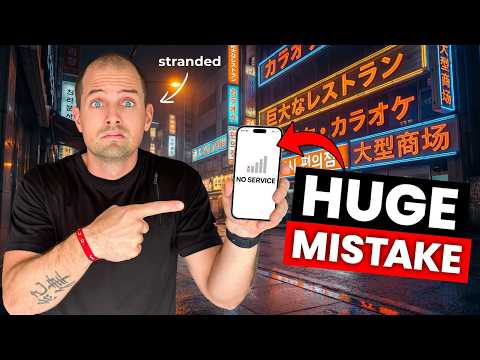
One major mistake is choosing the absolute cheapest eSIM plan without checking its network partner quality, leading to frustratingly slow data or no service at key moments. Users often overlook data pooling or throttling limits, discovering the low-cost “unlimited” plan slows to a crawl after just a few gigabytes. A common oversight is ignoring regional coverage quirks, assuming a global eSIM works flawlessly everywhere. Many travelers also forget to verify if the plan allows tethering, a hidden restriction that can ruin a remote work setup. Finally, failing to read the activation and top-up process for cheap plans can leave you stranded without service when you need it most.
Ignoring Network Coverage Maps for Remote Areas
Assuming a cheap eSIM will work everywhere based on a provider’s flashy coverage map is a fast track to a dead connection in remote areas. Budget virtual SIMs often roam on a single host network, leaving you with zero signal the moment you leave a major highway. You must check third-party user coverage maps for your specific destination, not the provider’s marketing. Failing to verify local tower partners means your low-cost plan becomes useless when you need navigation or emergency contact.
- Cross-reference the eSIM’s network with independent crowd-sourced maps for rural zones.
- Identify which physical carrier the cheap plan actually uses in your target region.
- Test data speeds at the edge of coverage before relying on the plan for off-grid travel.
Overlooking Compatibility with Your Device Model
One frequent error when selecting a cheap eSIM plan is overlooking compatibility with your device model. Not all phones support Japan eSIM eSIM, and even those that do may have carrier restrictions or software locks. Budget plans often target specific regions or networks, so your unlocked US or EU model might fail to activate. Always verify your device’s IMEI against the provider’s compatibility list before purchase. A plan that worked on a friend’s latest flagship may not work on your mid-range or older device, leading to wasted money.
Forgetting to Top Up Before Expiration

One frequent mistake with cheap eSIM plans is forgetting to top up before expiration. Many low-cost providers deactivate your data immediately when the plan’s validity ends, rendering the eSIM unusable. Unlike some networks that offer a grace period, budget plans often wipe any remaining balance upon expiry. This can lead to loss of prepaid funds and service disruption if you rely on the number for two-factor authentication. To avoid this, set a calendar reminder several days before the end date. Always confirm the specific top-up window in your account dashboard, as policies vary widely between cheap plans.
- Check the exact expiration date and time zone of your eSIM plan immediately after purchase.
- Place a recurring calendar alert three days before expiry to ensure you don’t forget to top up.
- Verify whether your provider allows top-ups before expiration or forces a new plan purchase instead.
- Monitor eSIM balance notifications to catch early warnings about upcoming expiry.
Comparing User Reviews: Which Affordable eSIMs Deliver on Speed?
When comparing user reviews for cheap eSIM plans, speed consistency often separates the budget winners from the duds. Travelers consistently rank Airalo’s “Discover” packages as reliable for average browsing and messaging, but reviews note noticeable throttling during peak hours. Holafly’s “Europe” plan receives frequent praise for its LTE stability in cities, yet users report lower speeds in rural zones. MobiMatter’s dynamic carrier switching commonly earns top marks for minimizing data dips. For critical navigation, Nomad eSIM stands out in user feedback for maintaining predictable speeds even on budget tiers. A nuanced reality emerges: a cheap plan’s peak speed rarely matters as much as its sustained throughput during your actual usage hours. Avoid plans promising unrealistic 5G on budget pricing, as reviews frequently cite empty promises of high speeds.
Real-World Tests: Data Speeds During Peak Hours
Real-world tests reveal that cheap eSIM plans often throttle data speeds drastically during peak hours, turning advertised 4G into unusable sub-1 Mbps connections. Users report congestion-based slowdowns specifically between 6 PM and 10 PM local time, where budget providers deprioritize traffic behind premium carriers. Peak-hour network deprioritization is the primary cause, not signal strength. Q: Do any cheap eSIMs avoid this slowdown? A: Yes—Mobi and Keepgo maintain 5-10 Mbps during peak tests, while Airalo and Nomad drop to 0.5 Mbps or less, rendering navigation and video calls impossible.
Customer Support Responsiveness for Troubleshooting
When comparing cheap eSIM plans, support responsiveness for troubleshooting can make or break your experience. Users report that budget-friendly providers like Airalo often reply within hours via in-app chat, but resolving connectivity drops may take multiple exchanges. Conversely, Ubigi users praise instant live-agent fixes for activation errors, though email-only support stalls during peak hours. Nomad eSIM’s 24/7 bot handles basic SIM switching quickly, but escalates to humans only after 48 hours. For speed-focused travelers, a provider offering real-time chat with documented troubleshooting steps—not just canned replies—ensures minor glitches don’t derail your data.
Responsive troubleshooting on cheap eSIMs hinges on live chat availability and documented fix processes, not just ticket submission.
What Exactly Are Budget-Friendly eSIM Options and How Do They Work?
How a Digital SIM Card Saves You Money Without a Physical Plastic Card
The Simple Activation Process: Scanning a QR Code to Get Started
Why Choose a Low-Cost Data Plan Over Traditional Roaming Fees
Avoiding Unexpected International Charges When You Travel Abroad
Keeping Your Home Number Active While Using a Second Cheap Data Line
Key Features to Look for When Comparing Affordable eSIM Services
Data Allowances That Fit Your Usage—From Light Browsing to Heavy Streaming
Flexible Duration Options: Daily, Weekly, or Monthly Plans Without Contracts
How to Pick the Right Discounted eSIM for Your Next Trip
Matching Network Coverage to Your Destination’s Best Local Carriers
Checking for Hidden Fees or Data Throttling After a Set Limit
Tips to Get the Most Value Out of Your Inexpensive Digital Plan
Installing Your eSIM Before Departure to Avoid Airport Price Surges
Managing Multiple Profiles to Switch Between Cheap Plans as Needed
Common Questions New Users Have About Low-Cost eSIM Subscriptions
Will My Phone Be Compatible With a Low-Priced Digital SIM Card?
Can I Top Up or Extend My Data If I Run Out Mid-Trip?