



Chưa phân loại
What This Compound Is and How It Functions in the Body
Oxandrolone Uses Benefits and Side Effects Explained
Oxandrolone is a potent anabolic steroid derived from dihydrotestosterone, specifically engineered for therapeutic muscle regeneration. It exerts its effects by binding to androgen receptors in skeletal muscle tissue, thereby stimulating protein synthesis and nitrogen retention to enhance muscle mass without significant water retention. Clinically, this agent is employed to reverse involuntary weight loss following severe trauma, chronic infections, or prolonged corticosteroid use, and it is typically administered in carefully titrated oral doses ranging from 2.5 to 20 mg per day.
What This Compound Is and How It Functions in the Body

Oxandrolone is an anabolic steroid derived from dihydrotestosterone, designed for a low androgenic effect. It functions by binding to androgen receptors in skeletal muscle and bone, which boosts protein synthesis and nitrogen retention, creating a positive nitrogen balance essential for tissue repair. This accelerates recovery and lean mass gain without significant water retention or estrogenic side effects. It also elevates red blood cell production slightly, which can improve oxygen delivery to muscles during training. Unlike many steroids, it resists being metabolized into estrogen, so users avoid issues like gynecomastia. This makes it a practical tool for preserving muscle during a calorie deficit, though its impact on strength can feel subtle compared to heavier compounds. It relies heavily on the liver for processing, which limits its use to lower doses for safety.
Chemical profile and mechanism of action for lean mass retention

Oxandrolone is a synthetic DHT derivative with a 17α-alkylated structure that resists hepatic breakdown, allowing oral bioavailability. Its mechanism for lean mass retention involves binding the androgen receptor with high selectivity, which activates nitrogen retention and protein synthesis pathways while minimizing androgenic side effects. Unlike testosterone, it does not aromatize into estrogen, preventing water bloat. This anabolic action directly preserves muscle tissue during catabolic states, such as caloric restriction or recovery, by reducing myostatin expression and enhancing mTOR signaling for sustained lean mass.
Oxandrolone’s chemical structure, a 17α-alkylated DHT analog, drives its selective androgen receptor binding, which directly promotes nitrogen retention and protein synthesis to preserve lean mass without estrogenic water retention or significant androgenic side effects.
Why it is classified as a non-aromatizing anabolic agent
Oxandrolone is classified as a non-aromatizing anabolic agent because its molecular structure lacks the C-19 methyl group necessary for the enzyme aromatase to convert it into estrogenic metabolites. This structural specificity prevents any peripheral conversion to estradiol, eliminating estrogenic side effects such as gynecomastia or water retention. Its 17α-alkylated configuration further shields the A-ring from enzymatic attack, ensuring no estrogenic byproducts are generated during hepatic metabolism. This non-aromatizing property allows lean tissue gains without unwanted estrogenic complications.
- The absence of a C-19 methyl group blocks aromatase enzyme binding.
- 17α-alkylation prevents metabolic conversion to estrogenic compounds.
- No estrogenic metabolites are produced, thus no gynecomastia or edema.
- Maintains androgenic activity exclusively via the androgen receptor.
Key Benefits That Drive User Decisions
Users are primarily driven to choose oxandrolone for lean muscle retention due to its unique ability to preserve tissue without significant water retention, making it ideal for cutting phases. Its high oral bioavailability and low androgenic activity are key benefits, as they reduce the risk of common side effects like severe hair loss or prostate issues. Furthermore, its promotion of improved nitrogen balance directly supports recovery and performance, allowing users to maintain strength during calorie deficits without excessive bulk.
Muscle preservation during caloric deficits or cutting phases
For users in a caloric deficit, muscle preservation during cutting phases becomes the critical metric of success. Oxandrolone directly mitigates the catabolic effect of reduced calories, allowing you to shed adipose tissue while retaining hard-earned lean mass. Unlike other compounds that cause water retention or aromatization, this agent provides a dry, hard appearance as fat drops, reinforcing the visual outcome. Users report holding strength on low energy intake, meaning nitrogen retention remains high despite insufficient calories. This targeted preservation is the difference between a flat, wasted look and a striated, full physique at the end of a cut.
Enhanced recovery without excessive water retention
Oxandrolone facilitates enhanced recovery without excessive water retention by promoting lean tissue repair while minimizing fluid accumulation. Its anabolic activity accelerates collagen synthesis and nitrogen retention, reducing post-injury or post-surgical recovery time. Unlike corticosteroids or bulking agents, oxandrolone avoids subcutaneous edema, preserving vascularity and muscle definition. This allows athletes and patients to regain function without the bloating that hinders joint mobility or obscures visual progress. Recovery from wasting conditions or overtraining is therefore both faster and visibly leaner.
Practical Usage Guidelines for Safe Results
For oxandrolone, practical usage begins with a low dose—typically 20mg to 40mg daily—split into two evenly spaced administrations to maintain stable blood levels. Never exceed an 8-week cycle, as liver enzyme elevation becomes a growing risk with prolonged exposure. You must also perform mid-cycle blood work, specifically checking HDL cholesterol and AST/ALT values, since oxandrolone suppresses good cholesterol and stresses hepatic function. Many users ignore that even this mild steroid requires aggressive hydration and electrolyte monitoring to prevent muscle cramps during training. Post-cycle, a basic liver support supplement like TUDCA and a break equal to cycle length are non-negotiable for safe recovery. Avoid alcohol entirely while on it, as the liver cannot process both compounds safely. If LDL rises sharply by week four, consider dose reduction or discontinuation.
Typical dosing ranges and cycle lengths for different goals

For general physique enhancement, oxandrolone is typically dosed at 20-40 mg daily for 6-8 weeks; lower doses of 10-20 mg daily are standard for cutting phases to preserve lean mass while minimizing side effects. Strength-focused users often require 40-60 mg daily for 8 weeks, though cycles beyond 8 weeks necessitate careful monitoring of liver enzymes. Therapeutic use for muscle wasting or osteoporosis usually prescribes 5-20 mg daily for 4-8 weeks. Moderate dosing of 20-30 mg daily for 6 weeks balances efficacy and safety for most aesthetic goals. Cycle lengths should not exceed 10 weeks to avoid hepatotoxicity.
Typical dosing ranges from 5-60 mg daily, with cycle lengths of 4-8 weeks depending on goal: 20-30 mg for 6 weeks for cutting, 40-60 mg for 8 weeks for strength, 5-20 mg for 4-8 weeks for therapeutic use.
Half-life considerations and administration timing
When using oxandrolone, its relatively short active half-life of roughly nine hours dictates a smart dosing schedule. To maintain stable blood levels and avoid energy crashes, split your total daily dose into two equal administrations, roughly eight to ten hours apart. Taking a dose first thing in the morning and another in the early afternoon works well, ensuring consistent coverage during your waking hours. Avoid taking it too late in the day, as the mild stimulant effect can interfere with sleep. This simple timing routine maximizes efficacy while minimizing peaks and valleys.
Split your oxandrolone dose into two equal parts, taken eight to ten hours apart during the day, to match its nine-hour half-life and keep levels steady.
Selecting the Right Product Form and Quality
For oxandrolone, selecting the right product form means choosing between oral tablets and, less commonly, injectable suspensions; tablets are the standard due to oxandrolone’s high oral bioavailability and predictable absorption. Quality hinges on verifying the product is from a reputable source that provides third-party HPLC purity analysis to confirm the stated dosage and absence of contaminants. A poor-quality tablet may contain underdosed or degraded active compound, leading to unreliable results. Even a correctly dosed tablet can be ineffective if stored improperly, as oxandrolone is sensitive to moisture and heat. Always check for consistent tablet hardness and uniform color, as these physical traits often correlate with proper manufacturing. For injectable forms, inspect for particulate matter or discoloration, which signals instability. Prioritize sealed, intact packaging with a clear manufacturing date to ensure the product’s potency is preserved.
Tablet versus injectable forms—what to expect
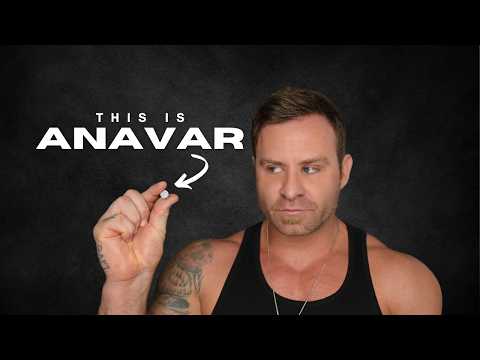
Choosing between tablet and injectable forms of oxandrolone comes down to practical administration and bodily impact. Orally, you will swallow a tablet daily, typically splitting doses to maintain stable blood levels—expect zero injection-site issues but watch for liver enzyme elevations, as the oral route taxes hepatic function. Injectable oxandrolone (often oil-based) requires intramuscular shots every two to three days, delivering the drug directly into circulation and bypassing the liver. This spares hepatic stress but introduces injection-site soreness and the need for proper aseptic technique. Your schedule and tolerance for needles dictate the choice: tablets offer convenience and discretion; injectables offer a cleaner metabolic profile but demand consistent pinning discipline.
- Tablets: swallow 2–3 times daily, monitor liver markers.
- Injectables: inject every 2–3 days, rotate injection sites.
How to verify purity and avoid counterfeit versions

To verify purity and avoid counterfeit versions of oxandrolone, inspect the pharmaceutical packaging for holograms, batch codes, and consistent font alignment that genuine manufacturers use. A split tablet should reveal a uniform, uncoated white interior without unusual speckles or odors. Dissolve a crushed tablet in 2ml of 99% isopropyl alcohol; authentic oxandrolone will mostly dissolve, leaving minimal sediment, while fakes often leave a thick, cloudy residue. Counterfeiters frequently substitute cheaper steroids or fillers, so a lack of bitter taste or a gritty texture under the tongue signals contamination. Reputable labs also offer third-party testing kits for anabolic steroid validation, providing contaminant detection for oxandrolone purity through colorimetric reactions.
Managing Side Effects and Monitoring Health Markers
Managing side effects of oxandrolone requires strict lipid monitoring, as it can lower HDL cholesterol significantly despite its mild nature. Regular liver enzyme tests are non-negotiable because, though less hepatotoxic than other oral steroids, oxandrolone is still a 17-alpha-alkylated compound. Many users overlook the impact on endogenous testosterone production, which demands post-cycle blood work for LH and FSH to gauge recovery. Track blood pressure weekly—fluid retention is low, but individual responses vary. For joint or tendon discomfort, consider supplementing with electrolytes and omega-3s rather than NSAIDs, which strain renal function. Always test fasted lipids and liver panels before, during, and after a cycle to catch any drift early.
Common hepatic stress indicators and supportive measures
Monitoring common hepatic stress indicators during oxandrolone use focuses on elevated ALT, AST, and GGT, which signal hepatocyte strain. Supportive measures for hepatic stress include daily hydration exceeding three liters and supplementing with 500mg of milk thistle (silymarin) standardized to 80% silymarin content. TUDCA at 250–500mg daily further stabilizes bile acid flow, while avoiding concurrent hepatotoxic agents like alcohol or NSAIDs is critical. Regular blood work every four weeks ensures early detection of rising transaminases, enabling dose adjustment before damage progresses. Q: How quickly do hepatic stress indicators normalize after stopping oxandrolone? A: Elevated ALT and AST typically return to baseline within two to four weeks post-discontinuation, provided no pre-existing condition exists.
Impact on natural testosterone production and post-cycle recovery
Oxandrolone, while milder than many anabolic agents, still suppresses the hypothalamic-pituitary-testicular axis, reducing natural testosterone production. This suppression is dose and duration dependent, but recovery is typically faster than with heavier compounds. A post-cycle therapy protocol is essential for restoring hormonal balance after an oxandrolone cycle. Without it, users risk prolonged hypogonadism, impacting libido and energy. The HPTA recovery timeline can span several weeks, often managed with selective estrogen receptor modulators. Blood work to monitor total and free testosterone levels is critical before, during, and after a cycle to confirm successful recovery.
Q: Does oxandrolone shut down natural testosterone production permanently?
A: No, suppression is usually temporary. However, without a proper post-cycle recovery plan, natural levels may remain suboptimal for an extended period, requiring medical intervention to restart.
Frequently Asked Questions From Actual Users
Actual users most frequently ask about oxandrolone’s real-world effect on preserving muscle during a caloric deficit. They want to know if it truly spares lean tissue without the severe water retention of other compounds. A dominant question is whether a standard 20–30mg daily dose for 6–8 weeks provides tangible, cosmetic improvements in hardness and vascularity. Another persistent query involves the absence of significant estrogenic side effects, specifically gynecomastia, which users anavar cite as a primary reason for choosing this compound. The core insight users report is that results are modest but undeniable if diet and training are precise.
Oxandrolone’s utility is not in mass building, but in preserving density and promoting a dry, grainy look during a cut.
Concerns always return to liver toxicity, with most experienced users advising they only run it standalone and never exceed 8 weeks, prioritizing hydration and TUDCA.
Can it be stacked with other anabolics or SARMs
Users frequently ask if oxandrolone can be stacked with other anabolics or SARMs. Yes, it is commonly combined for complementary effects. A typical oxandrolone stacking protocol prioritizes low-androgen compounds to minimize side effects. A clear sequence often involves:
- Adding a bulking agent like testosterone or RAD-140 as a base.
- Incorporating oxandrolone for its hardening and strength properties.
- Using a liver protectant like TUDCA throughout the cycle.
Stacking multiple SARMs with oxandrolone requires careful dosing to avoid excessive suppression. Users report that this approach can yield lean mass gains without significant water retention.
How results differ between male and female users
Male users typically experience significant lean muscle gains from oxandrolone, driven by higher androgen receptor density and natural testosterone levels, often achieving notable strength increases with minimal water retention. Female users, conversely, see far less muscle hypertrophy but can expect pronounced fat loss and improved muscle definition without heavy anabolic effects. This divergence means women must prioritize calendar spacing to minimize virilization risks, while men monitor lipid profiles closely due to greater cardiovascular strain. Gender-specific dosing protocols are critical: males often require 20–80 mg daily, while females stay at 2.5–10 mg to avoid androgenic side effects.
Results differ primarily in that males gain measurable muscle mass and strength, while females achieve superior fat loss and lean toning, with women facing a lower margin of safety for virilization.